Elevate Your Home With Expert Architecture Solutions
Optimizing a home through expert design consultation involves more than just visual elements. It involves a deep insight of functional design and state construction regulations. Partnering with an experienced architect can address common challenges while strengthening property value. The process is strategic and thorough, guaranteeing that every detail harmonizes with the homeowner's expectations. Yet, many homeowners encounter challenges to progress through this journey effectively. What steps can they take to secure a successful association?
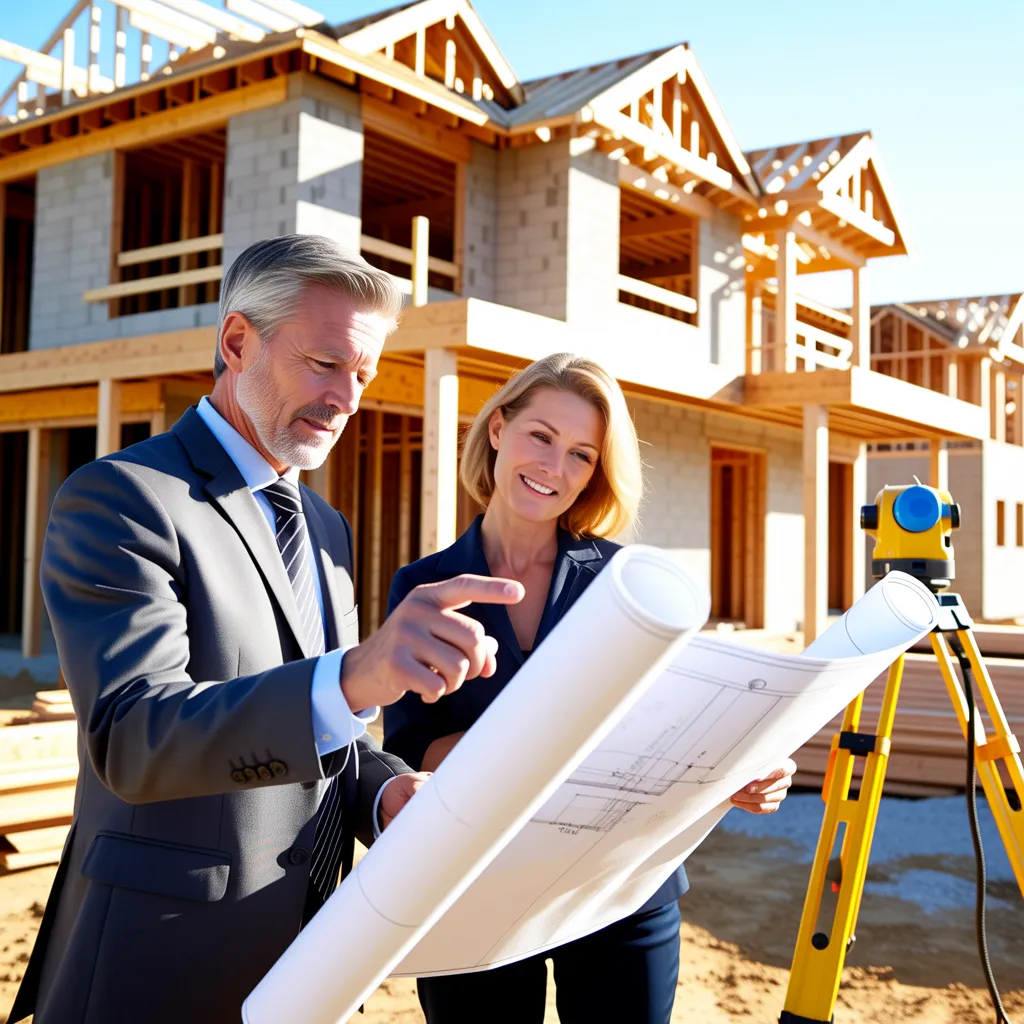
Standard Home Design Dilemmas and Techniques Architects Resolve Them
Why is home design so demanding for numerous homeowners? The difficulty of aligning aesthetic choices with practical needs often exhausts them. Homeowners routinely contend with spatial constraints, financial constraints, and regulatory standards, making the design process more complex. Additionally, many lack the specialized skills required to manage building considerations and building codes.
Architects constitute an important role in reducing these difficulties. Their expertise enables them to address the subtleties of design, making sure that a resident's goal harmonizes with actual circumstances. Architects can present novel approaches to improve space while respecting safety requirements. They also participate in forming connected designs that showcase the resident's taste. By sharing knowledge into materials and construction processes, architects support accelerate the decision stage. Ultimately, their competence converts a seemingly challenging task into a partnered experience, encouraging a equilibrated balance between ingenuity and usefulness in home planning.
Reasons to Work With a Professional Architect
Engaging a professional architect improves the house planning process by blending technical expertise with the client's aspirations. Architects provide a rich background in design principles, regulatory requirements, and sustainability practices, guaranteeing that the initiative not only achieves visual objectives but also complies with compliance standards. Their capacity for envisioning and communicate elaborate concepts supports converting conceptual ideas into tangible designs.
Furthermore, architects can provide innovative solutions to spatial challenges, optimizing arrangement and usability. They also oversee the complexities of the construction process, coordinating with contractors and suppliers to guarantee timelines and budgets are adhered to. This expert supervision reduces potential errors and reduces the pressure linked to home construction or remodeling. Ultimately, working with an architect results in a well-designed, cohesive space that reflects the homeowner's character while boosting overall property value.
What Represent the Important Phases in the Architectural Process?
What represents the way the building design process unfolds from initial idea to completion? The progression starts with an initial consultation, where the designer and client address objectives, requirements, and budget. This phase is important for establishing a well-defined direction. Subsequently, the architect conducts location evaluation, evaluating aspects like topography, weather patterns, and zoning regulations.
Subsequently, the design phase commences. At this stage, sketches and digital models are fashioned, enabling the client to comprehend the project. Once the design is established, the architect drafts extensive construction specifications, listing specifications and drawings.
Upon obtaining required permits, the evaluation project enters the construction phase. The architect often works with contractors to guarantee that the design is implemented correctly. Frequent on-site inspections and evaluations help maintain quality and adherence to the initial vision. Finally, the project concludes in a inspection, verifying that the finished structure meets the client's expectations before the official handover.
How Can You Identify the Best Architect for Your Home?
Discovering the right professional for your dwelling demands thoughtful consideration and research. Prospective homeowners should start by identifying their distinct desires and spending limit, which will direct their quest. Advice from friends, relatives, or real estate specialists can deliver helpful opportunities. Web-based portfolios and reviews help with assessing an architect's prior work and client happiness.
Next, potential customers should interview several candidates to gauge their manner of speaking, experience, and approach to design. It's essential to discuss timelines and project expectations to guarantee alignment. Additionally, confirming qualifications and reviewing proper licensing and credentials can prevent future complications.
In conclusion, homeowners should believe in their hunches. The suitable architect should not only exhibit the necessary skills but also correspond to the homeowner's perspective and ethics. This synergy generates a collaborative environment, ultimately achieving a productive alliance in crafting a desired residence.
How to Express Your Vision Effectively
Articulating a plan for residential design effectively is necessary for a productive alliance between homeowners and design professionals. To attain this goal, homeowners should begin by plainly stating their needs and choices. Creating a inspiration board with images, colors, and components can assist in relaying stylistic desires. Additionally, specifying practical requirements, such as dimensions and layout, assures that the architect understands concrete aspects.
Property owners should also participate in open dialogue, encouraging inquiries and input to refine their vision. Frequent meetings during the design process foster teamwork and openness. Using straightforward language to express ideas and concerns can prevent misunderstandings and help align goals.
Ultimately, remaining attentive to the architect's proficiency enables a more stimulating exchange. By fusing personal vision with professional insight, homeowners can cultivate a constructive relationship that achieves a beautifully designed space mirroring their aspirations.
Approach to Controlling expenses for Architectural Consultations
When initiating a home design project, creating a budget for architecture services is important to avoid financial strain later. Homeowners should begin by studying typical fees in their area, which can vary based on the project's complexity and the architect's experience. It is prudent to allocate a percentage of the overall project cost specifically for architectural services, typically ranging from 5% to 15%.
Next, buyers should evaluate the scope of services essential—whether they seek full design and project management or merely initial consultations. Discussing openly with potential architects about their fee structures can elucidate financial implications.
Additionally, property owners should account for unexpected expenses and potential revisions, establishing a financial reserve in the budget. By explicitly outlining their monetary limits upfront, clients can guarantee they select an architect who aligns with their objectives while remaining within their budget constraints.
Frequently Asked Questions
What Options of Building Design Could I Select for My Home?
Homeowners can choose from various design options, including modern, traditional, colonial, Mediterranean, and contemporary. Each style offers distinctive aesthetics and functionality, allowing individuals to showcase personal taste while taking into account regional influences and environmental factors.
How Much Time Does the Architectural Process Typically Need?
The design process typically demands a number of months, depending on project complexity, design approvals, and local regulations. Components such as client feedback and construction timelines can also influence the timeline substantially throughout the process.
Can Architects Lend expertise To Environmentally conscious Design Choices?
Architects can indeed assist with eco-friendly design options. They integrate sustainable materials, energy-efficient systems, and innovative layouts, ensuring projects reduce environmental impact while enhancing functionality and aesthetic appeal, matching with clients' sustainability goals effectively.
What Skills Would I Find in an Architect?
When engaging an design specialist, one should examine their qualifications, accreditation, involvement in related assignments, portfolio showcasing design style, and grasp of local compliance standards. Ability to communicate effectively and feedback from previous clients also become crucial in the evaluation process.
In What Manner Do Design Experts Deal With Zoning and Permit Questions?
Architects resolve zoning and permit issues by performing comprehensive analysis on regional requirements, preparing necessary documentation, and communicating to municipal authorities. Their expertise guarantees compliance, expediting the permitting timeline for client projects effectively.